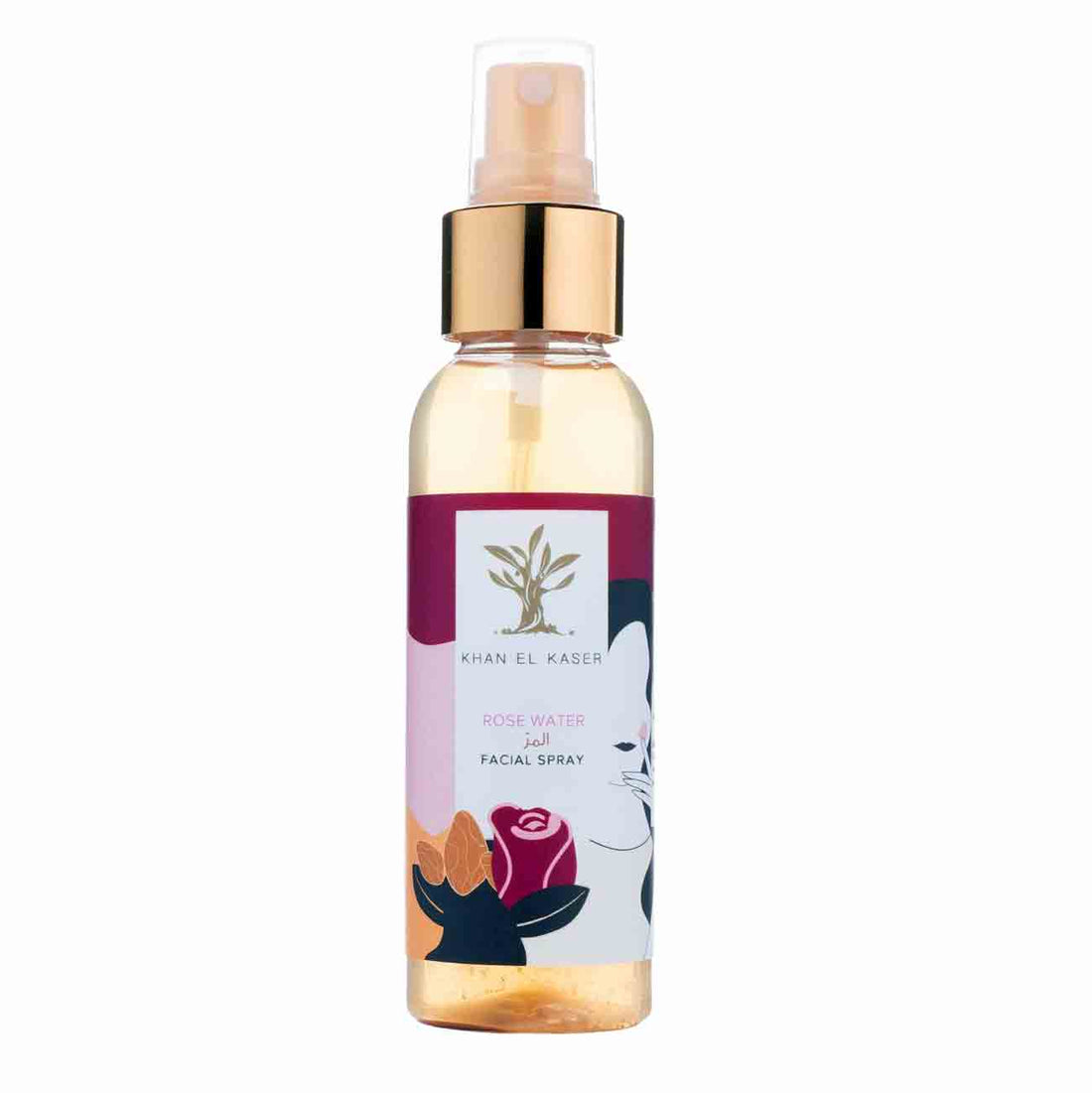
Living in the United Arab Emirates has a distinct set of problems for your skin, including severe year-round sun, abrupt transitions between hot outdoor and heavily air-conditioned inside settings, and a market that combines fast-moving trends, luxury, and halal/ethical demands. You may choose solutions that truly work for your skin and steer clear of marketing pitfalls by being able to read product labels. Here is a concise, Emirati-friendly guide with all the information you want.
Why it's important to read labels in the UAE
-
Pigmentation and the sun are major issues. According to dermatologists in Dubai and Abu Dhabi, persistent UV exposure is linked to an increase in cases of premature aging and pigmentation; even brief daily exposures have an impact.
-
Performance, ethics, and safety are important to consumers. The UAE market is affluent, well-educated, and inclined toward both halal/“clean” and high-end/evidence-based skincare products. Brands succeed when they combine effectiveness with the appropriate credentials.
-
In the UAE, goods must adhere to local regulations. Because cosmetics must adhere to regulations and standards (ESMA, Dubai Municipality, MOHAP procedures), certified goods are more likely to be safe and compliant.
Step 1: Start at the ingredient list (not the front of the box)
The product's actual constituents are stated in the ingredient list (INCI), which is arranged according to concentration (highest to lowest for ingredients >1%). Thus, the texture and basis of the product are determined by the first five elements (water, oils, silicone, and alcohols). The product is unlikely to produce significant benefits if the skin benefit you anticipate (brightening, acne control, hydration) comes from something mentioned toward the conclusion.
A quick tip: active compounds that are utilized at effective dosages, such as vitamin C, niacinamide, and salicylic acid, are typically indicated by their chemical names (ascorbic acid, niacinamide, and salicylic acid). Check the product description for % if you don't see the active near the top (quality brands frequently display it).
Step 2: Know the difference between actives - ingredients - preservatives
-
Actives are substances (such as SPF filters, salicylic acid, retinoids, niacinamide, and vitamin C). They are the foundation of performance.
-
Emulsifiers, solvents, silicones, and moisturizers are examples of functional substances. They affect wear and texture (e.g., cetyl alcohol, glycerin, and dimethicone).
-
Antioxidants and preservatives (phenoxyethanol, ethylhexylglycerin) are crucial for shelf life and safety. They prevent bacteria and keep your goods safe in hot weather, so they're not always terrible.
A preserved product is safer than an "unpreserved" one that can harbor bacteria in hot, humid areas like portions of the United Arab Emirates, so don't automatically reject preservatives.
Step 3: Watch out for the marketing: common claims decoded
-
"Clinically tested" or "dermatologist-tested" indicate that some testing was conducted; check for specifics or published data.
-
"Hypoallergenic" is not strictly regulated; it can be helpful but does not ensure that you won't react.
-
"Non-comedogenic" is helpful if you have acne, but make sure to read the ingredient list because silicones and light oils are less likely to clog.
-
"Natural," "clean," and "organic" are marketing words. If it's important to you, check for reputable accreditation and review the ingredient list.
-
"Fragrance-free" versus "unscented" refers to the absence of perfume; unscented items may contain masking fragrances; if you're sensitive, go for "fragrance-free."
Step 4: Sunscreen labels - what to read
-
UVB protection is measured by the SPF number. Use SPF 30+ every day; in the temperature of the United Arab Emirates, SPF 50 is usual and sensible.
-
"Broad-spectrum" refers to protection against both UVA and UVB rays. Always keep an eye out for this.
-
Active filters can be chemical (octocrylene, avobenzone) or physical (zinc oxide, titanium dioxide). Both are effective; select according to skin tolerance and feel.
-
"Water-resistant" describes how long the protection lasts when swimming or perspiring (see the pack's reapplication instructions).
-
Application guidelines: Apply liberally and reapply every two hours if you're outside; most individuals apply significantly less than what the labeled protection calls for.
Step 5: Ingredient red flags
-
High fragrance levels might mask the scent of deterioration and aggravate skin that is sensitive or prone to rosacea. If you respond easily, go for fragrance-free.
-
Denatured alcohol, or alcohol denat, has a light texture but can be drying. If you have oily skin, it's okay in little doses, but if you're dry, stay away from using it as a key ingredient.
-
Mild surfactants are preferable for daily usage; harsh sulfates (like SLS) in cleansers can peel and increase oil production in hot conditions.
-
If you have acne and live in a humid coastal area, thick occlusive oils may feel heavy. Instead, try lighter oils like jojoba or squalane or oil-free hydrators like hyaluronic acid or glycerin.
Step 6: Look beyond the front label: certifications & approvals
-
For many Emirati consumers, halal or halal-friendly products are crucial; the market for halal cosmetics is expanding quickly. Look for an official halal certification label and certifier if this is important. Markets and Research
-
Local conformity and registration: If a product is registered with the Dubai Municipality, MOHAP, or ESMA/ECAS, it has been assessed for compliance with UAE market regulations. A legitimate local importer or representative and ESMA/ECAS marks are indicators of correct registration for imported brands. Dubai+1 Product Registration
-
Read the name of the certifier for third-party eco/clean seals (not all seals have the same rigor).
Step 7: Translate label info into a shortlist for your skin
When comparing two items on the shelf, use this brief checklist:
-
Are the first five ingredients primarily oils and butters (richer) or water and glycerin (light hydrating)?
-
Is there an active component that is pertinent to your objective? (For example, hyaluronic acid for hydration, niacinamide for pigmentation/pores, and salicylic acid for oily/acne).
-
Aroma? If so, stay away if you're sensitive.
-
Is there a preservative present? Good—safer in the climate of the United Arab Emirates.
-
Are the certifications that matter to you (Halal, ESMA/ECAS, dermatological exams) clearly displayed on the packaging?
Quick Emirati skin-smart recommendations
-
SPF 30–50 per day is non-negotiable. In the UAE, pigmentation and early aging are primarily caused by the sun. Apply again.
-
To combat UV and pollution stress, incorporate antioxidants (niacinamide, vitamin C) into your morning routine.
-
Lightweight gels or serums containing niacinamide, salicylic acid, and hyaluronic acid are recommended for oily or combo skin during humid months.
-
Use humectants (glycerin, hyaluronic acid) and an occlusive at night to seal in moisture if you have dry skin with AC.
-
Select companies that disclose complete ingredient lists and exhibit reliable halal certification if you favor clean or halal items. The region's need for halal is rapidly increasing.
Conclusion
Smart label reading protects your skin against the major local hazards, such as sun damage, pigmentation, and climate swings, while also saving money, time, and annoyance in the UAE market. Make choices based on the ingredients list rather than the attractive packaging. Whether you're comparing local halal businesses, placing an online order, or shopping in a Dubai mall, you can distinguish a truly effective product from marketing noise if you understand the fundamentals mentioned above.