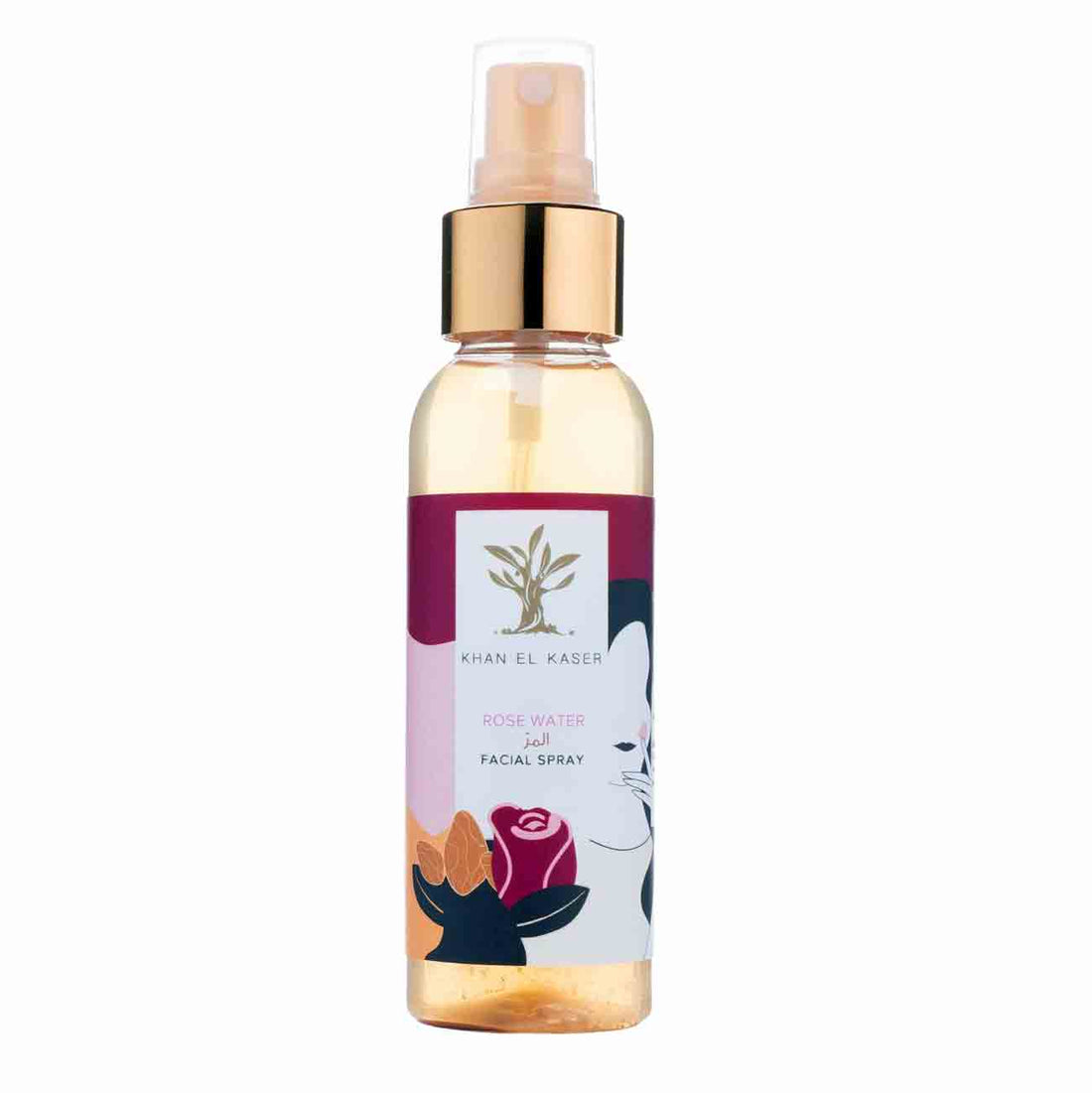
Preparing your skin before Ramadan is one of the smartest beauty decisions you can make - especially in the UAE climate. Long fasting hours, reduced water intake, late nights, air-conditioning, and outdoor sun exposure all affect how your skin behaves during the holy month.
This guide focuses on pre-Ramadan skin preparation, helping you enter Ramadan with balanced, hydrated, and resilient skin; not damage control halfway through the month.
Why Pre-Ramadan Skin Prep Matters
In hot climates such as UAE, the skin is already under pressure from:
-
High temperatures and sun exposure
-
Strong air-conditioning indoors
-
Dehydration caused by heat and fasting
-
Irregular sleep schedules during Ramadan
Starting your skincare routine 1–2 weeks before Ramadan helps your skin adapt gradually, maintain hydration, and stay healthy throughout fasting days.
Continue reading to have a look at the perfect pre-Ramadan routine.
Step 1: Start Deep Hydration Early
Why it matters
Once fasting begins, hydration becomes limited to iftar and suhoor. Skin that isn’t well-hydrated beforehand tends to look dull, tight, and tired faster.
What to do before Ramadan
-
Use a daily moisturizer morning and night
-
Focus on products with glycerin, aloe vera, hyaluronic acid, or light natural oils
-
Apply moisturizer on slightly damp skin to lock in hydration
💡 Tip for UAE weather: Avoid overly heavy creams during the day. Lightweight but effective hydration works best in heat and humidity.
Step 2: Gentle Exfoliation for a Healthy Glow
Why exfoliation matters before fasting
Dead skin buildup prevents moisturizers from working properly. Gentle exfoliation before Ramadan helps your skin absorb hydration better and appear brighter.
How often to exfoliate
-
1–2 times per week only
-
Choose gentle scrubs or mild chemical exfoliants
-
Avoid harsh exfoliation, irritated skin dehydrates faster
Best time to exfoliate
Evening is ideal, followed by a calming moisturizer or hydrating mask.
Step 3: Detox & Prep with Natural Masks
Why masks are important pre-Ramadan
Detox masks help remove buildup from pollution, makeup, sunscreen, and sweat.
Recommended mask types
-
Clay masks (once a week) to cleanse pores
-
Aloe-based or herbal masks to calm and hydrate
-
Avoid strong actives that may dry the skin
Using masks before Ramadan strengthens your skin barrier so it copes better with fasting.
Step 4: Sun Protection Is Non-Negotiable
Why SPF before Ramadan is crucial
During Ramadan, many people spend long hours outdoors before iftar or during daytime errands. Unprotected sun exposure leads to:
-
Dehydration
-
Pigmentation
-
Uneven skin tone
How to use SPF correctly
-
Apply SPF every morning, even if you’re mostly indoors
-
Reapply when outdoors for extended periods
-
Choose a sunscreen suitable for your skin type (oily or dry)
☀️ UAE reminder: UV levels are high year-round, not just in summer.
Step 5: Adjust Your Night Routine for Suhoor Nights
Late nights and altered sleep schedules affect skin repair. Preparing your night routine before Ramadan makes the transition easier.
Pre-Ramadan night routine tips
-
Switch to lighter night creams or serums
-
Avoid heavy layering that can clog pores overnight
-
Cleanse thoroughly to remove sunscreen, sweat, and pollution
A simple, consistent routine works best during Ramadan.
What Happens If You Skip Pre-Ramadan Skin Prep?
Many people wait until mid-Ramadan to fix skin issues like dryness, breakouts, dullness, but by then, skin is already stressed.
Prepping early helps you:
-
Maintain glow throughout the month
-
Reduce dehydration and sensitivity
-
Look fresh during daytime and evening gatherings
So, Think of Pre-Ramadan Skin Prep as Prevention
Ramadan skincare isn’t about adding more products; it’s about preparing smartly. When your skin enters Ramadan hydrated, exfoliated, protected, and balanced, it naturally handles fasting better.
Start small, stay consistent, and your skin will thank you throughout the holy month.